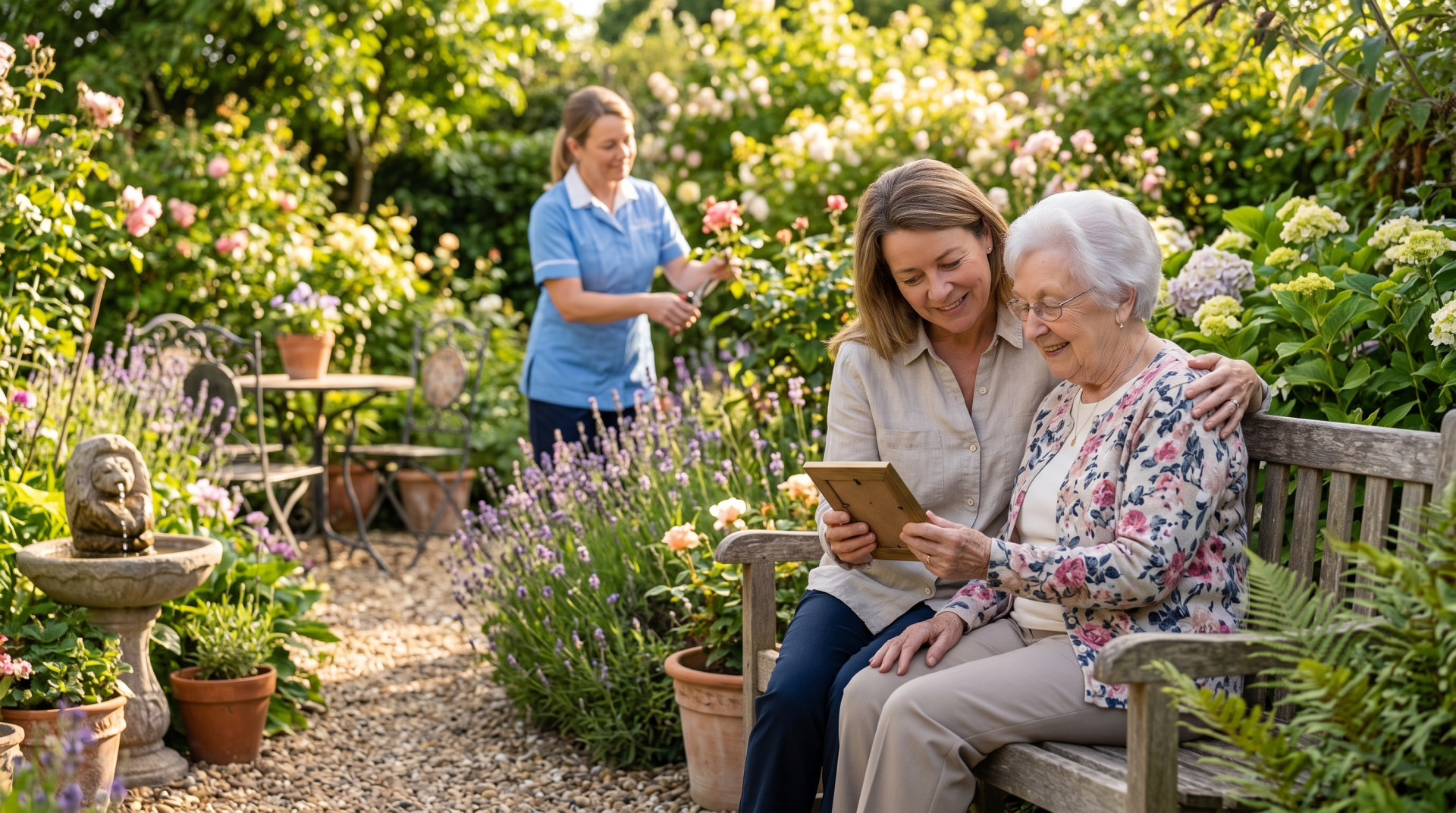
Thanksgiving is a time for family, friends, and food, but it is also a time for reflection and gratitude. For seniors, Thanksgiving can be a particularly meaningful holiday, as it provides an opportunity to look back on their lives and all the things they are grateful for.
One of the things that seniors are most grateful for is their families. Thanksgiving is a time to gather with loved ones and enjoy each other's company. For seniors, this time is especially precious, as it may be one of the few times during the year that they get to see their children and grandchildren.
Seniors are also grateful for their health. As we age, our health becomes increasingly important. For seniors, Thanksgiving is a time to reflect on their health and be thankful for the good health they have been blessed with.
Finally, seniors are grateful for their independence. Many seniors are still able to live independently, and they are grateful for the freedom and control that this gives them. Thanksgiving is a time for seniors to celebrate their independence and all the things they can still do.
Thanksgiving is a special time for seniors, and it is a time for them to reflect on their lives and all the things they are grateful for. If you are a senior, take some time this Thanksgiving to reflect on your life and all the good things you have been blessed with.
Happy Thanksgiving from Amy’s Helping Hands





Contact Us
Dementia and Visual Perception: It’s Not Just About Eyeglasses You schedule an eye exam for your parent, their optometrist confirms their eyes are healthy, and their lens prescription is up to date. Yet, you observe them missing their water glass when reaching for it, hesitating nervously at the edge of a rug, or mistaking a coat hanging on a door for a person standing in the room.These incidents occur because visual perception is not solely a function of the eyes; it is primarily processed by the brain. Alzheimer’s disease and related dementias alter the…
Read More
Ongoing Peace of Mind: Consistent In‑Home Support for Family Caregivers and Older Adults Ongoing Peace of Mind: Consistent In‑Home Support for Family Caregivers and Older Adults Caring for an aging parent is a long journey. Routines shift, health needs evolve, and what worked last month may need adjustment today. If you are feeling stretched thin, you are not alone. With a steady plan and a reliable team, you can keep your parent safe and engaged at home while protecting your own health and routines for the long term. Signs it’s time to build a consistent care plan Many families…
Read More
The Shrinking of the World: How to Protect Your Aging Parent from Isolation As mobility declines, driving stops, and friends pass away or relocate, an aging parent's physical world shrinks dramatically. What was once a vibrant life filled with work, community groups, and travel can gradually compress down to a single neighborhood, then to a house, and eventually to a single armchair in the living room.This "shrinking of the world" leads to profound social isolation. Medical research shows that chronic loneliness in seniors carries health risks equivalent to…
Read More
Putting Them in Charge: How Giving Seniors Control Reduces Home Care Refusal As adult children, we often operate in "fix-it" mode. We see our parents struggling, so we immediately jump into action to solve the problem. We research local Windsor-Essex care agencies, look at budgets, and create a schedule.Then, we go to our parents and say, "I hired someone to come on Tuesdays and Thursdays from 9 to 1."And they say, "Absolutely not."Why? Because nobody likes being told what to do in their own home. When you make all the decisions without their…
Read More
Palliative Care- letting your senior loved on pass at home Palliative care is a type of healthcare specifically designed for individuals and their families facing life-threatening illnesses that are in their advanced stages. This information helps to address common questions seniors have about palliative care, also known as hospice care. It helps to provide guidance on where seniors can access further information about available services. What is palliative care? Palliative care is to help enhance the quality of life for those who are critically or…
Read More
Respite care that works: practical breaks for family caregivers in Windsor-Essex Mid-to-late summer often pushes Sandwich Generation caregivers to the edge. School breaks, vacations, heat, and changing routines can make care feel heavier just when you need a breather most. If you are losing sleep, snapping at people you love, or juggling missed appointments, you are not failing. You are tired, and that is fixable.Planned respite protects your health and often improves care quality at the same time. With the right plan, your parent stays safe and engaged while you rest, work,…
Read More
The Hidden Cardiovascular Fall Risk: How Heart Disease Affects Senior Stability When family caregivers perform home safety checks, they naturally search for external hazards: extension cords across the floor, loose entryway mats, or poor stair lighting. However, for seniors living with heart disease, falls are frequently caused by internal, cardiovascular triggers.The heart and brain operate in constant coordination. When a compromised heart cannot maintain stable blood flow or blood pressure to the brain, dizziness, weakness, and sudden loss of balance follow quickly.The 3…
Read More
Big Movements, Big Benefits: Why Targeted Exercise is Vital for Parkinson’s In Parkinson’s care, physical exercise is far more than a general health recommendation—it is a critical, disease-modifying intervention. Targeted physical movement stimulates neuroplasticity, the brain's remarkable ability to form new neural pathways and protect existing dopamine-producing neurons.Because Parkinson’s disease causes physical movements to naturally become small, shuffling, and hesitant, specialized therapeutic movement focuses on retraining the brain to move BIG.Core High-Amplitude…
Read More